

Dhaka 2:55 am, Friday, 27 March 2026

Understanding the psychology behind gambling decisions A deep dive into player behavior

  • Reporter Name
  • Update Time : 01:40:54 pm, Wednesday, 28 January 2026
  • 58 Time View

Understanding the psychology behind gambling decisions A deep dive into player behavior

The Role of Emotion in Gambling

Emotions play a significant role in gambling decisions, often overshadowing rational thought. The thrill of winning can trigger a rush of excitement, leading players to make impulsive choices. Conversely, losing can incite feelings of frustration or desperation, which may drive a player to chase their losses, risking even more. Understanding these emotional triggers can illuminate why individuals often gamble beyond their means, seeking validation through wins or a desperate attempt to recover losses. In this context, many gamblers search for the best us online casinos to enhance their chances of winning.
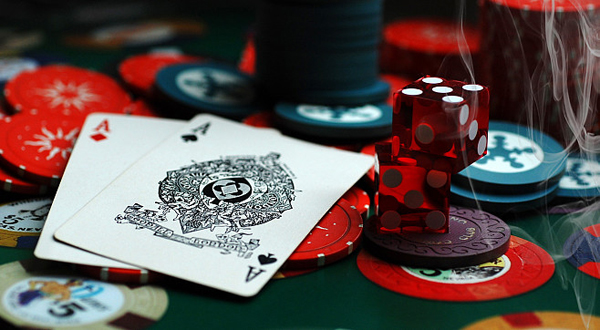
This emotional rollercoaster can create a cycle of behavior that is difficult to break. Players may find themselves caught in a loop where the highs of winning and the lows of losing become intertwined, making it increasingly challenging to approach gambling with a clear mind. This interplay between emotion and decision-making illustrates a crucial aspect of gambling psychology.

Cognitive Biases and Misconceptions

Cognitive biases greatly influence gambling behavior. One common bias is the illusion of control, where players believe they can influence outcomes through skill or strategy, even in games dictated by chance. This misconception can lead to overconfidence and misguided betting strategies, resulting in increased risks and potential losses. Players may feel that their expertise in a particular game gives them an edge, which is often not the case.

Another prevalent cognitive bias is the gambler’s fallacy, where individuals believe that past events can influence future outcomes in random games. For instance, if a player experiences a series of losses, they may incorrectly assume that a win is ‘due’ to happen. Such misconceptions can distort a player’s understanding of probability and ultimately impact their gambling strategies, often leading to poor decision-making.

The Impact of Social Influences

Social factors significantly shape gambling behavior. Group dynamics and peer pressure can heavily influence an individual’s decision to gamble or how much to wager. For example, individuals may feel compelled to join friends in a game or adhere to group norms, even if it conflicts with their better judgment. This social aspect can amplify the excitement and urgency of gambling, pushing individuals to act against their interests.

Additionally, the normalization of gambling in social settings, such as casinos or online platforms, can further entrench gambling behaviors. The presence of others, whether in-person or virtually, creates a sense of community and shared experience that can be difficult to resist. This can lead to increased participation and higher stakes, perpetuating the cycle of gambling.

The Balance Between Luck and Skill

Understanding the interplay between luck and skill is crucial in analyzing gambling decisions. Many players enter games believing that their skills can influence outcomes, especially in strategic games like poker or blackjack. While skill can play a role in these games, luck remains a dominant factor, which can lead to a disconnect in a player’s expectations versus reality. This misunderstanding can result in skewed decision-making and unrealistic beliefs about the potential for consistent wins.

Moreover, the acknowledgment of luck’s role can also be a double-edged sword. On one hand, recognizing that outcomes are often random can help temper emotional responses to losses. On the other hand, it can also lead players to gamble more freely, believing that a win is just around the corner. This delicate balance reflects the complexities of gambling psychology and highlights the importance of informed decision-making.

Connecting with the Community at AdventureGamers.com

AdventureGamers.com offers a vibrant community for those passionate about gaming, including insights into player behaviors and decision-making in various game genres. By engaging with fellow enthusiasts, users can share experiences and discuss strategies that intersect with their understanding of luck, skill, and emotional influences in gaming contexts.

The platform fosters a space for dialogue, allowing players to deepen their knowledge and connect on issues that extend beyond mere gameplay. Whether you’re looking to enhance your gaming experience or explore the psychological facets of player behavior, AdventureGamers.com serves as a hub for information and community interaction.

Tag :

Write Your Comment

Your email address will not be published. Required fields are marked *

Save Your Email and Others Information

About Author Information

sabuj bala

Popular Post

Understanding the psychology behind gambling decisions A deep dive into player behavior

Update Time : 01:40:54 pm, Wednesday, 28 January 2026

Understanding the psychology behind gambling decisions A deep dive into player behavior

The Role of Emotion in Gambling

Emotions play a significant role in gambling decisions, often overshadowing rational thought. The thrill of winning can trigger a rush of excitement, leading players to make impulsive choices. Conversely, losing can incite feelings of frustration or desperation, which may drive a player to chase their losses, risking even more. Understanding these emotional triggers can illuminate why individuals often gamble beyond their means, seeking validation through wins or a desperate attempt to recover losses. In this context, many gamblers search for the best us online casinos to enhance their chances of winning.

This emotional rollercoaster can create a cycle of behavior that is difficult to break. Players may find themselves caught in a loop where the highs of winning and the lows of losing become intertwined, making it increasingly challenging to approach gambling with a clear mind. This interplay between emotion and decision-making illustrates a crucial aspect of gambling psychology.

Cognitive Biases and Misconceptions

Cognitive biases greatly influence gambling behavior. One common bias is the illusion of control, where players believe they can influence outcomes through skill or strategy, even in games dictated by chance. This misconception can lead to overconfidence and misguided betting strategies, resulting in increased risks and potential losses. Players may feel that their expertise in a particular game gives them an edge, which is often not the case.

Another prevalent cognitive bias is the gambler’s fallacy, where individuals believe that past events can influence future outcomes in random games. For instance, if a player experiences a series of losses, they may incorrectly assume that a win is ‘due’ to happen. Such misconceptions can distort a player’s understanding of probability and ultimately impact their gambling strategies, often leading to poor decision-making.

The Impact of Social Influences

Social factors significantly shape gambling behavior. Group dynamics and peer pressure can heavily influence an individual’s decision to gamble or how much to wager. For example, individuals may feel compelled to join friends in a game or adhere to group norms, even if it conflicts with their better judgment. This social aspect can amplify the excitement and urgency of gambling, pushing individuals to act against their interests.

Additionally, the normalization of gambling in social settings, such as casinos or online platforms, can further entrench gambling behaviors. The presence of others, whether in-person or virtually, creates a sense of community and shared experience that can be difficult to resist. This can lead to increased participation and higher stakes, perpetuating the cycle of gambling.

The Balance Between Luck and Skill

Understanding the interplay between luck and skill is crucial in analyzing gambling decisions. Many players enter games believing that their skills can influence outcomes, especially in strategic games like poker or blackjack. While skill can play a role in these games, luck remains a dominant factor, which can lead to a disconnect in a player’s expectations versus reality. This misunderstanding can result in skewed decision-making and unrealistic beliefs about the potential for consistent wins.

Moreover, the acknowledgment of luck’s role can also be a double-edged sword. On one hand, recognizing that outcomes are often random can help temper emotional responses to losses. On the other hand, it can also lead players to gamble more freely, believing that a win is just around the corner. This delicate balance reflects the complexities of gambling psychology and highlights the importance of informed decision-making.

Connecting with the Community at AdventureGamers.com

AdventureGamers.com offers a vibrant community for those passionate about gaming, including insights into player behaviors and decision-making in various game genres. By engaging with fellow enthusiasts, users can share experiences and discuss strategies that intersect with their understanding of luck, skill, and emotional influences in gaming contexts.

The platform fosters a space for dialogue, allowing players to deepen their knowledge and connect on issues that extend beyond mere gameplay. Whether you’re looking to enhance your gaming experience or explore the psychological facets of player behavior, AdventureGamers.com serves as a hub for information and community interaction.